Russian
 English
University-Wide Conference on the Cluster Approach and Educational Program: A Session of the ASU Academic Council
.jpg "IMG_9463 (1).jpg")
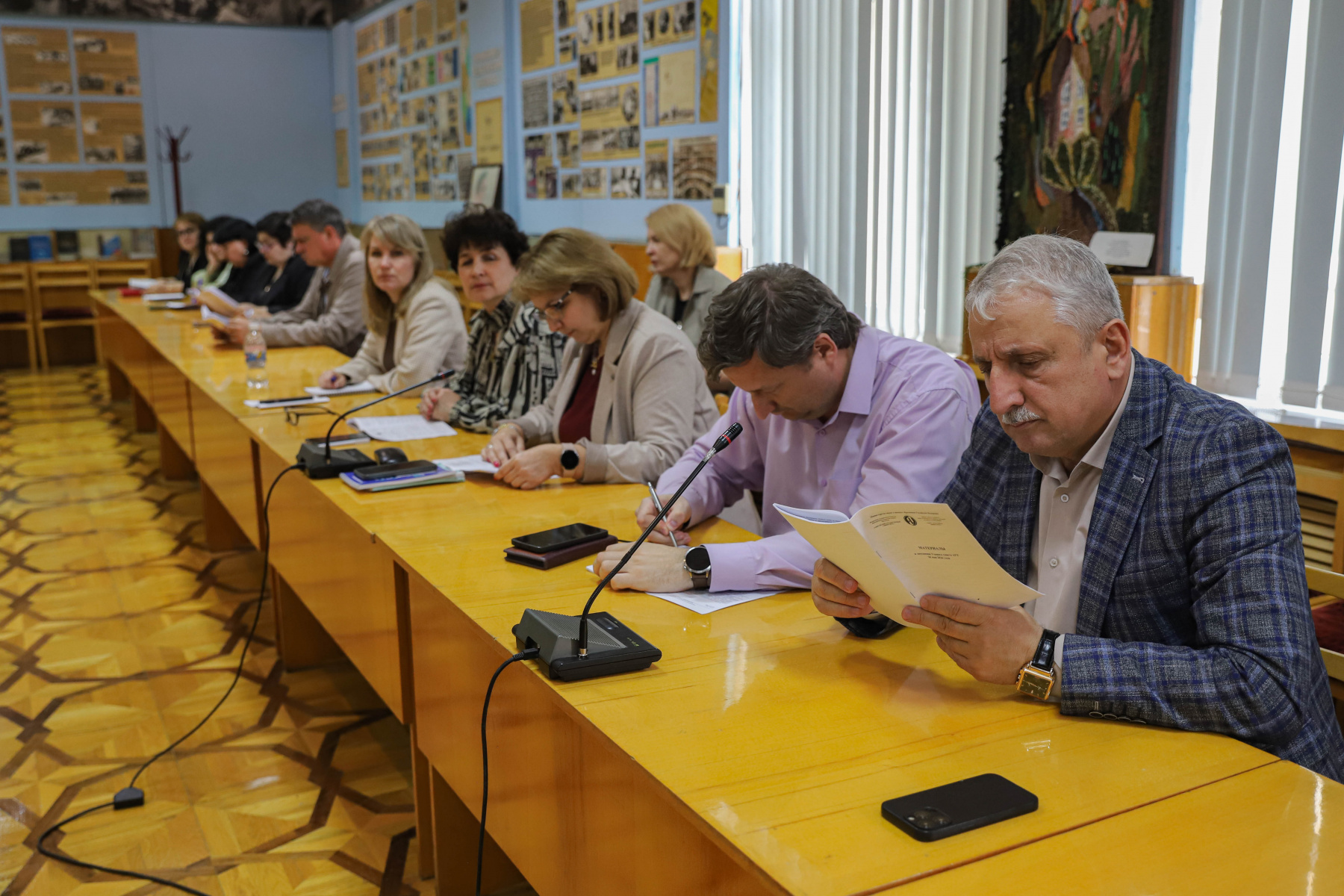
The Academic Council of Adyghe State University convened its final meeting with its current composition. The gathering resolved to elect a new member, deliberated on the management of the university's research and education clusters, approved Adyghe State University's development program, and nominated colleagues for academic titles
Election of a New Academic Council
A date has been scheduled for the university-wide conference of staff and students to elect a new Academic Council. As a reminder, the Academic Council, serving as the university's primary governing body, performs several essential functions. As a legislative authority, it adopts key regulatory documents that oversee various aspects of the university's operations, including admission policies, a list of priority research areas, regulations for filling academic and administrative positions, procedures for awarding degrees, dissertation councils, university prizes, and more.
In its expert capacity, the Academic Council awards prizes, confers titles, conducts competitions for positions such as professors, chief research fellows, department heads, and laboratory directors. It also elects deans and department chairs. In its strategic planning role, the Council makes crucial decisions regarding the creation of new faculties, departments, laboratories, and branches of Adyghe State University; establishes programs to support and reward talented students; launches new educational initiatives; and approves educational standards.
During its meetings, the Academic Council addresses key issues related to academic and scientific policy, international cooperation, human resources and social policy, and the development of ASU's infrastructure.
“Five years have elapsed since the current Academic Council was elected, and it is now time to select a new one. There are no significant changes to the standards for departmental representation, apart from the addition of one member each from the research and education clusters that have emerged within the university during this period. As a reminder, the vice-rector and rector are not elected, as they serve as members of the Academic Council in accordance with the charter. By June 5, departments must determine the composition of candidates and delegates for the conference. Additionally, we plan to discuss proposed amendments to the collective agreement during the conference,” said ASU Rector Daud Mamiy.
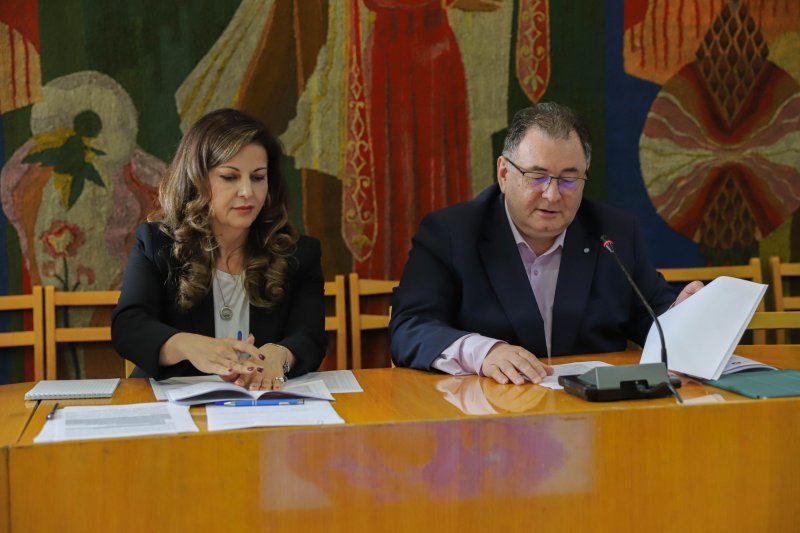
Following the presentation and discussion of the rector's report on the procedures for convening and electing delegates to the university-wide staff and student conference, as well as the representation standards for structural divisions on the ASU Academic Council, the Academic Council decided to convene the conference on June 8.
The new Academic Council will comprise 59 members. The following representation standards have been established:
|
Rector's Office |
-6 people. |
|
|
NOC "Institute of Exact Sciences and Digital Technologies": |
||
|
Director of NOC +3 |
- 4 people. |
|
|
NOC "Institute of Law": |
||
|
Director of NOC+1 |
- 2 people. |
|
|
Faculty of Law |
- 1 person. |
|
|
NOC "Institute for Quality of Life" |
||
|
Director of the NOC +1 |
- 2 people. |
|
|
Faculty of Economics |
- 1 person. |
|
|
Faculty of Social Technologies and Tourism |
- 2 people. |
|
|
Faculty of Pedagogy and Psychology |
- 2 people. |
|
|
Department of Philosophy and Sociology |
- 1 person. |
|
|
NOC "Institute of Humanitarian Knowledge and Culture" |
||
|
Director of the NOC |
- 1 person. |
|
|
Faculty of Philology |
- 2 people. |
|
|
Faculty of Foreign Languages |
- 2 people. |
|
|
Faculty of Adyghe Philology and Culture |
-2 people. |
|
|
International Faculty |
- 2 people. |
|
|
Faculty of History |
-2 people. |
|
|
Institute of Arts |
- 2 people. |
|
|
Department of Foreign Languages |
-1 person |
|
|
NOC "Institute of Living Systems and Health Engineering" |
||
|
Director of the NOC +1 |
- 2 people. |
|
|
Faculty of Natural Sciences |
-2 people. |
|
|
Institute of Physical Education and Judo |
- 2 people. |
|
|
Department of Physical Education |
- 1 person. |
|
|
MGGTK ASU |
- 2 people. |
|
|
Branch of the Federal State Budgetary Educational Institution of Higher Education "Adyghe State University" in Belorechensk |
- 1 person. |
|
|
University Services |
- 7 people. |
|
|
Research Institute of Complex Problems |
- 3 people |
|
|
Scientific library |
- 1 person. |
|
|
Primary trade union organization of ASU employees |
- 1 person. |
|
|
Primary trade union organization of ASU students |
- 1 person. |
|
|
United Students' Council |
- 1 person. |
|
|
Total: |
59 people |
In addition, the Council established quotas for the representation of delegates at the university-wide conference:
|
NOC "Institute of Exact Sciences and Digital Technologies" : |
||
|
Director of NOC+10 |
- 11 people. |
|
|
NOC "Institute of Law": |
||
|
Director of the NOC |
- 1 person. |
|
|
Faculty of Law |
- 5 people. |
|
|
NOC "Institute for Quality of Life" |
||
|
Director of the NOC |
- 1 person. |
|
|
Faculty of Economics |
- 5 people. |
|
|
Faculty of Social Technologies and Tourism |
- 5 people. |
|
|
Faculty of Pedagogy and Psychology |
- 5 people. |
|
|
Department of Philosophy and Sociology |
- 2 people. |
|
|
NOC "Institute of Humanitarian Knowledge and Culture" |
||
|
Director of the NOC |
- 1 person. |
|
|
Faculty of Philology |
- 5 people. |
|
|
Faculty of Foreign Languages |
- 5 people. |
|
|
Faculty of Adyghe Philology and Culture |
- 5 people. |
|
|
International Faculty |
- 5 people. |
|
|
Faculty of History |
- 5 people. |
|
|
Institute of Arts |
- 5 people. |
|
|
Department of Foreign Languages |
- 2 people. |
|
|
NOC "Institute of Living Systems and Health Engineering" |
||
|
Director of the NOC |
- 1 person. |
|
|
Faculty of Natural Sciences |
- 5 people. |
|
|
Institute of Physical Education and Judo |
- 5 people. |
|
|
Department of Physical Education |
- 2 people. |
|
|
MGGTK ASU |
- 3 people. |
|
|
Branch of the Federal State Budgetary Educational Institution of Higher Education "Adyghe State University" in Belorechensk |
- 2 people. |
|
|
Research Institute of Complex Problems |
- 2 people |
|
|
Trade union organization of workers |
- 4 people. |
|
|
University Services |
- 16 people. |
|
|
Scientific library |
- 2 people. |
|
|
United Students' Council |
- 4 people. |
A total of 114 delegates will take part in the conference.
Management of the Scientific and Educational Cluster of a Higher Education Institution
Anatoly Zabolotny, Director of the Research and Education Cluster "Institute of Living Systems and Health Engineering," delivered a report at the meeting titled "Managing the Research and Education Cluster of a Higher Education Institution." The report outlined the operational principles of the departments and analyzed current challenges.
Five research and education clusters have been established within the university: the Institute of Quality of Life, the Institute of Humanities and Culture, the Institute of Living Systems and Health Engineering, the Institute of Exact Sciences and Digital Technologies, and the Institute of Law. These clusters encompass twelve faculties, two institutes, various departments, and research laboratories across the university. The creation of these clusters is part of the university’s strategic development program under the "Priority 2030" project. Their primary focus is on addressing key strategic objectives, which necessitate close collaboration among faculties and active exchange of knowledge and expertise.
Over time, ASU has gained valuable experience collaborating with industrial and business partners, including Progress-Agro, Rusid, Eurochem, Axon, Sberbank, Sovcombank, and others. The university’s network partners include Lomonosov Moscow State University, the Vavilov All-Russian Institute of Plant Engineering, the National Research University Higher School of Economics, and Kuban State Agrarian University.
However, for the continued development and effective operation of its scientific and educational clusters, it is essential to establish a robust organizational and management framework. This will facilitate their sustained growth and maximize their contribution to the university’s strategic goals.
After reviewing the report, the Academic Council unanimously approved the following principles for managing the scientific and educational clusters at Adyghe State University:
-
Principle of Human Capital Development: Recognizing people—along with their knowledge, competencies, talents, motivation, and growth potential—as the primary asset and competitive advantage of the cluster. Investments in their development are prioritized to ensure the long-term effectiveness and sustainability of the Network of Centers (NOC).
-
Principle of Academic Autonomy: Granting the cluster the right and opportunity to independently determine its structure, content, and methods of educational and research activities. The cluster is empowered to make decisions and manage internal processes autonomously, developing and implementing its own programs and projects in accordance with legislation and the university’s charter.
-
Principle of Strategic Planning: Guiding the development of the cluster through strategic planning aligned with the university’s overarching strategic development program. This program defines the long-term vision, goals, mission, and policy content in science, education, and upbringing.
-
Principle of Innovation Orientation: Ensuring that all activities of the scientific and educational cluster are geared towards the creation, development, and implementation of innovations that enhance its competitiveness and promote sustainable growth.
-
Principle of Network Management Organization: Establishing a management system for the NOC based on flexible, horizontal links among participants—including universities, scientific organizations, and enterprises. This structure aims to facilitate effective resource distribution, knowledge exchange, and joint project execution.
Furthermore, by November 2026, the NOC "Institute for Quality of Life," the NOC "Institute for Humanitarian Knowledge and Culture," and the NOC "Institute for Living Systems and Health Engineering" are required to develop their regulations and hold elections for their respective NOC Academic Councils. By the same deadline, a system for monitoring the activities of the NOC in academic, scientific, and educational spheres will be established. Additionally, by December, the research and education clusters will need to develop a performance rating system for research and teaching staff, study best practices from leading universities, and create a mechanism for establishing a financial responsibility center within the research and education cluster.
New DPO program
The Academic Council has approved the launch of a supplementary education program within the Department of Physical Education, titled "Fundamentals of Organizing and Conducting Group Fitness Programs in Stretching." The program will encompass 54 hours of instruction. Anatoly Zabolotny, Head of the Department of Physical Education, PhD in Pedagogical Sciences, and Associate Professor, will serve as the program director.
ASU Educational Work Program
The Academic Council has approved the Educational Work Program, a comprehensive document that outlines the fundamental principles and values, organizational structure, methodological approaches, goals, objectives, content, and key areas of educational activity at ASU. It also provides a detailed description of the conditions, resource allocation, management systems, and monitoring mechanisms involved in the university's educational endeavors.
This Educational Work Program was developed in accordance with methodological guidelines for creating such programs and a calendar plan for educational activities within higher education institutions. It aligns with ASU's Draft Development Strategy for 2021–2030, taking into account the university’s unique traditions, experience, distinctive features, and established systems of educational practice.
Furthermore, the Educational Work Program and the associated calendar plan are integral components of the university’s primary professional educational framework, formulated and implemented in accordance with current federal educational standards.
In accordance with the program, the university acknowledges and promotes traditional values, including: the recognition of the uniqueness and inviolability of human life as the highest priority; respect for oneself and others; awareness of the intrinsic worth of every individual; adherence to and protection of constitutional rights; the harmonious balance of freedom and responsibility; the pursuit of goodness, truth, justice, honesty, decency, and love for the Motherland.
The university emphasizes devotion to the Fatherland, respect for its history and culture, and encourages active civic engagement and responsibility for the nation's future. It advocates for compliance with laws, readiness to work for the country's benefit, and the protection of national interests.
Furthermore, the program underscores the importance of preserving and transmitting knowledge about the history of the Fatherland, honoring the sacrifices of ancestors, and fostering interethnic harmony. Respect for the cultures and traditions of all peoples of Russia is prioritized, alongside the values of marriage, parenthood, and reverence for elders. The university promotes caring for the younger generation, mutual assistance, solidarity, teamwork, and shared responsibility. It encourages supporting one another, respecting differing opinions, and upholding dignity and the dignity of work. Respect for labor, professionalism, and the aspiration to create socially useful products are integral, as is recognizing the significance of inner peace and moral virtues over material possessions. The program advocates for philanthropy, respect for human dignity, goodwill, compassion, and a willingness to help those in need through charity. It emphasizes honesty, equal treatment of all people, and merit-based justice, fostering an environment of respect, integrity, and social responsibility.
Nomination for awards
The Academic Council nominated Khazret Bagirokov, professor of the Department of Russian Philology, Faculty of Adyghe Philology and Culture, Adyghe State University, for the academic title of professor in specialty 5.9.8 – Theoretical, Applied and Comparative Linguistics.
Elena Skhalyakho , who works at the Department of English Philology of the Faculty of Foreign Languages at Adyghe State University, was nominated for the academic title of associate professor in specialty 5.9.8 – theoretical, applied and comparative linguistics.
In addition, the following university faculty and staff members were nominated for awards: Elena Demkina, Marietta Naptsok, Raziet Chetav, Lyudmila Petrova, Marina Bolokova, Angela Nagoy, Irina Kireeva, Vyacheslav Nekhay, and Zaur Khachetsukov.