 AGU


 Russian
 English
Adyghe State University Hosts Wrap-Up of the 2nd Caucasian School on Experimental Research and Cognitive Sciences
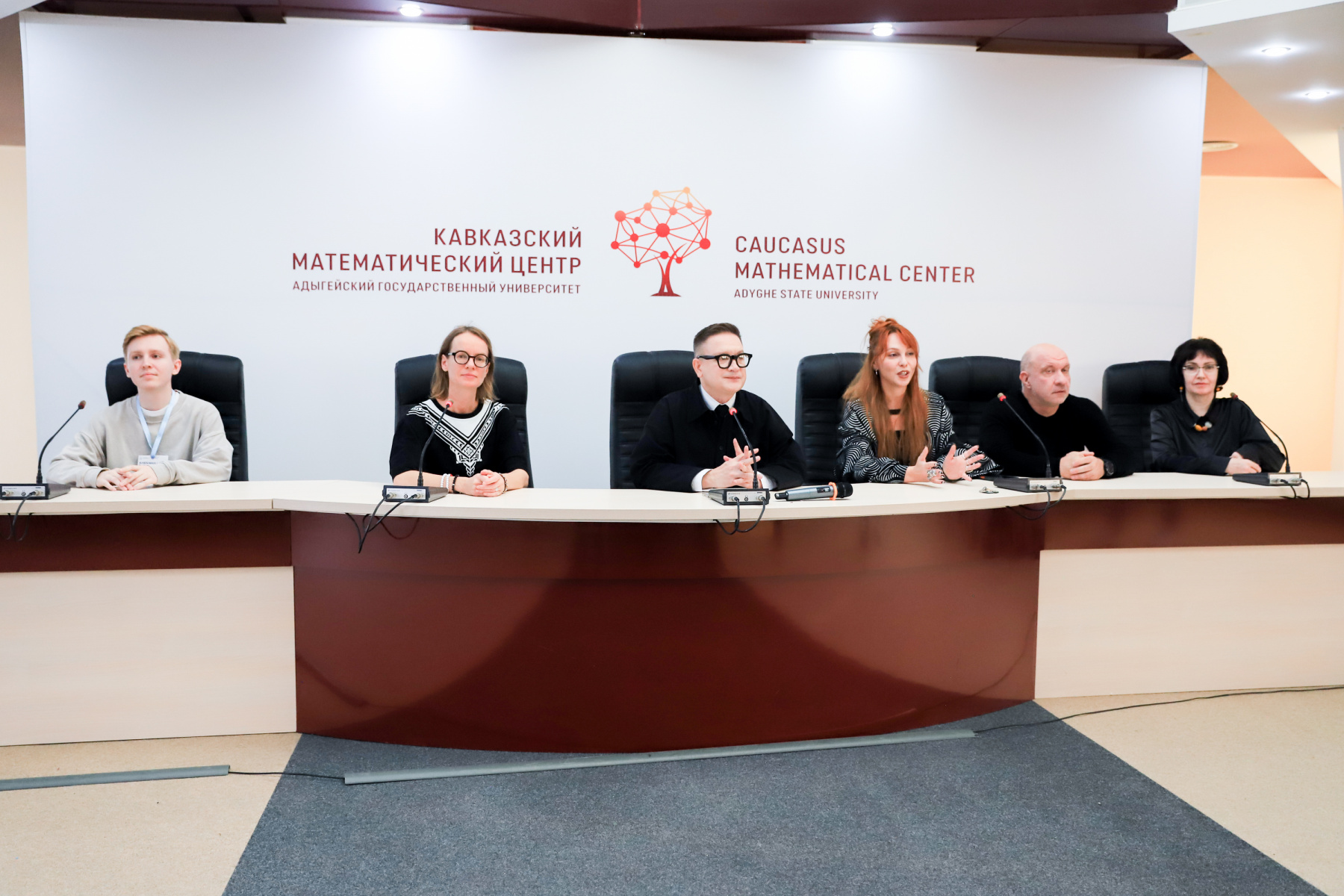
The 2nd Caucasian School on Experimental Research and Cognitive Sciences concluded in the Republic of Adygea. Organized by the Experimental Linguistics Laboratory of Adyghe State University (ASU) and the Center for Language and Brain at the National Research University Higher School of Economics, the school was supported by the Priority program.
The theme was "Unity in Diversity. Language Codes." The program brought together experimental linguistics, cognitive science, neuroscience, ethnoculture, and digital technologies within the framework of the Art&Science / BrainArt / EtnoArt / Bilingualism projects. Participants included researchers, experts, and young professionals from various regions and countries.
Ethnic fashion and cultural code
The program's main theme was understanding the cultural code and its contemporary interpretation. During the press conference and Art&Science roundtable, timed to coincide with National Costume Day, experts discussed traditions and innovations in ethnic fashion, ethnocultural markers in clothing design, the significance of ornamentation, and the potential of digital tools.
Particular attention is given to the Adyghe costume—not only as a historical object, but also as a living system of symbols, receiving a new interpretation in contemporary culture and the digital environment.
The discussion featured international fashion analyst and co-founder of the National Academy of the Fashion Industry Alexander Khilkevich ; philologist, ornament researcher, and fashion designer Lyuba Teptsova ; expert in creative thinking, heuristics, and new forms of education, lecturer at the HSE School of Design Dmitry Karpov ; research intern at the Language Convergence Laboratory and lecturer at HSE – St. Petersburg Vladislav Lobanov ; senior lecturer at the Costume Design Department of KubSU and curator of the Digital Ethnofashion project Elvira Osanov ; and candidate of historical sciences, associate professor at the Department of Adyghe History and Culture at ASU Zarema Tseeva . The discussion was moderated by Susanna Makerova, head of the Laboratory of Experimental Linguistics at ASU
"This year, the school was held in a hybrid Art & Science format, in which science and art are viewed as complementary fields. The project was called 'Unity in Diversity': we discussed code systems—in language and culture," explained Susanna Makerova.
Art as a research tool
Another area of focus was the discussion of the relationship between science and art. Art was viewed not only as a form of aesthetic expression but also as a tool for exploring perception and emotional experience. Scientific approaches allow such hypotheses to be tested using large data sets.
Fashion was analyzed as a phenomenon that extends beyond the clothing industry: it creates visual codes and conveys values. Costume and pattern were viewed as a unique language, and digital technologies as a means of expanding it.
"We worked with teachers and students on how contemporary trends in fashion and design can leverage the influence of ethnic and cultural layers. It's about connecting what has informed national culture for centuries with how it can be interpreted by young professionals to convey the values that make our country a unique civilization," noted Dmitry Karpov.
Interdisciplinarity as a method
The educational program included lectures and master classes by experts, practical classes and workshops, and an introduction to experimental research methods. The format allowed participants to see the potential of combining disciplines: language helps explore culture, cognitive sciences explore the mechanisms of perception, art explores emotional and visual experience, and digital technologies create new ways of representing it.
Results
Summing up, Alexander Khilkevich noted the relevance of an interdisciplinary approach and the promising development of the Art&Science project. He stated that the modern creative industry requires specialists capable of working at the intersection of science, art, technology, and design.
The Second Caucasian School demonstrated that tradition and innovation are not necessarily at odds. Cultural codes can become the basis for new research, art can be the object of scientific analysis, and technology can be a tool for preserving and reinterpreting heritage.

.jpg)