AGU
AGU


 Russian
 English
ASU News
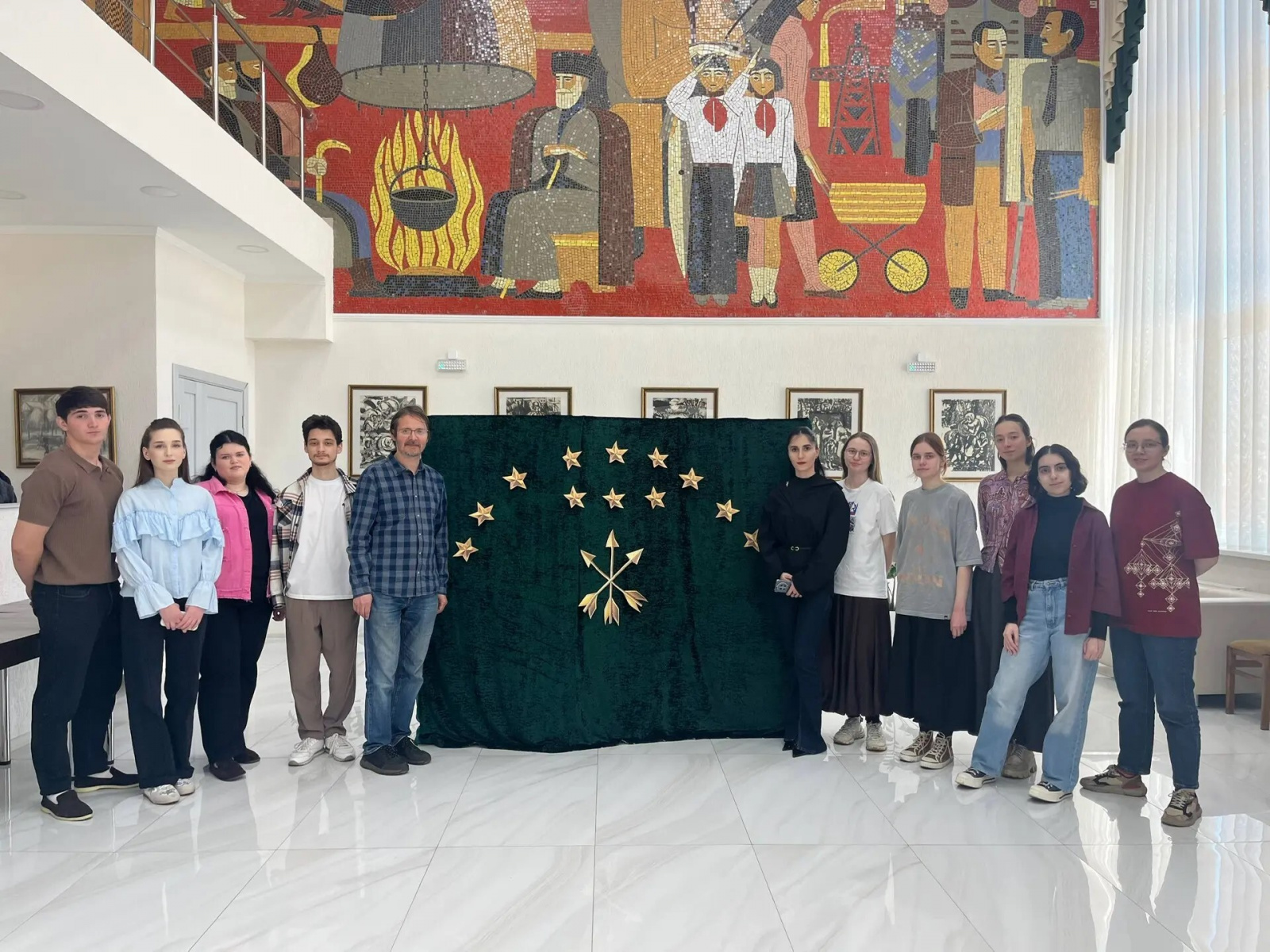
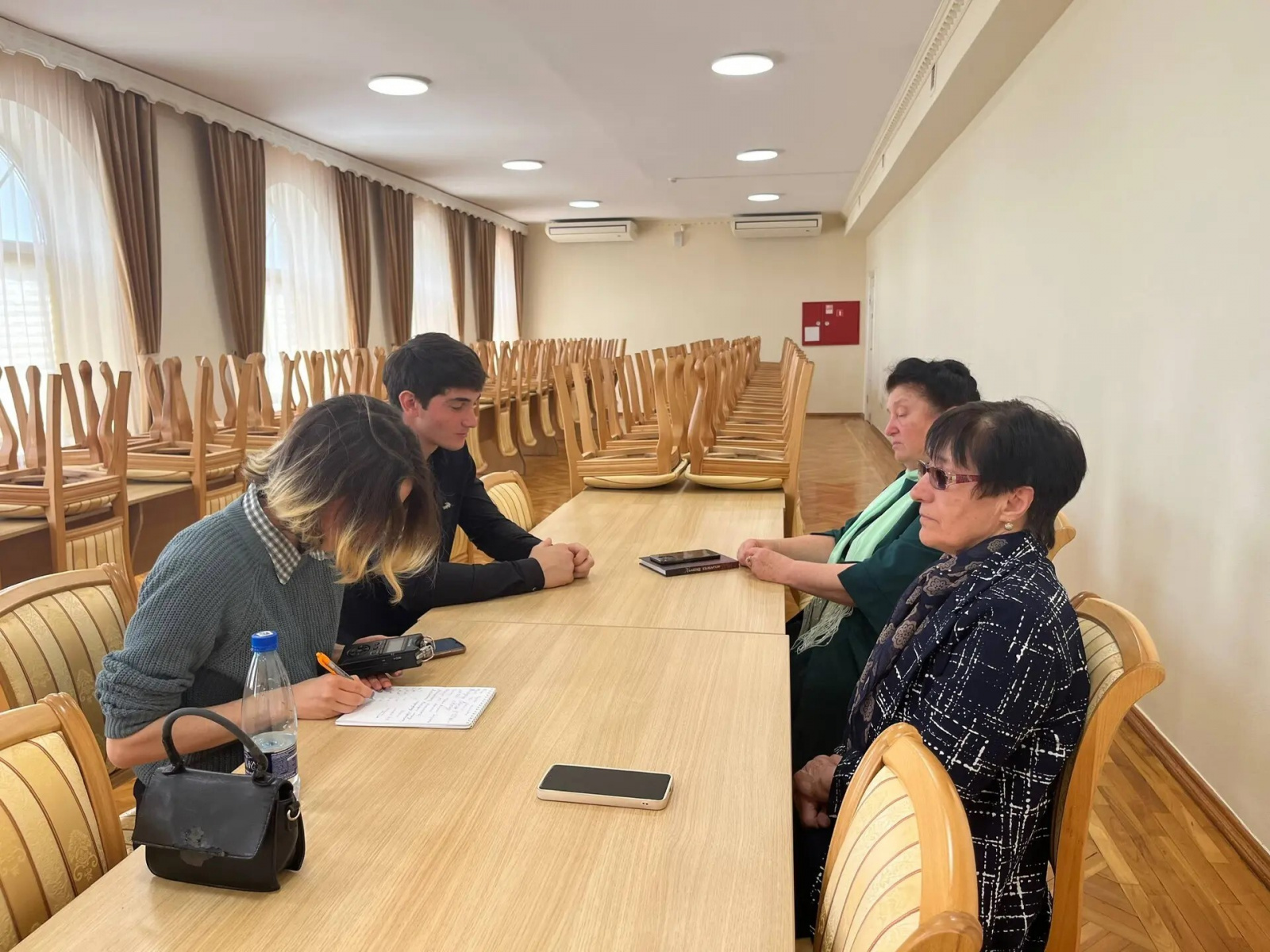
Adyghe State University and the National Research University Higher School of Economics successfully completed their second joint linguistic expedition. Students and faculty members visited five villages in Adygea and Krasnodar Krai to expand the oral corpus of the Adyghe language—a comprehensive database that captures not only the literary norm but also authentic spoken language, including its regional variations and nuances.
The Adyghe language is currently endangered. The standardized literary norm, as outlined in textbooks, does not fully represent the diversity of living speech. Variations in phonetics, grammar, and word forms depend on the speaker’s village and age. Systematic documentation is essential to preserve these linguistic characteristics.
This marks the second year of ASU’s participation in HSE’s field expedition. The project is led by Yuri Lander, Associate Professor at HSE and Leading Researcher at the International Linguistic Convergence Laboratory.
During the five-day linguistic expedition, participants visited five villages: Gabukai, Urupsky, Mafekhabl, Afipsip, and Adamiy.
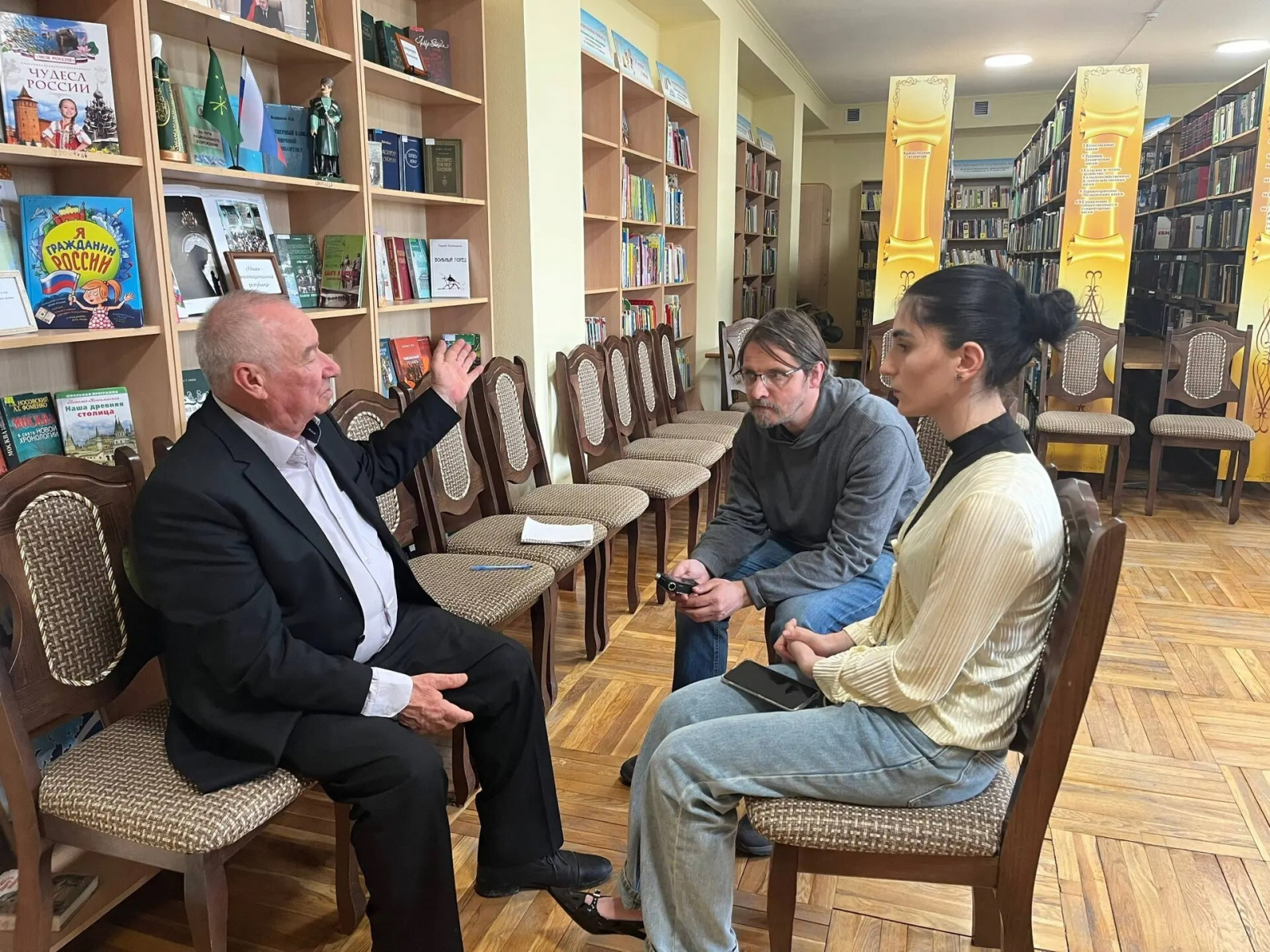
At each village, local community centers facilitated the identification of informants—native speakers across various age groups. In the village of Urupsky (Krasnodar Krai), the expedition received support from the regional public organization "Adyghe Khase," represented by its chairman, Ruslan Mashitlev.
The interviewees ranged in age from children as young as 8 to 10 years old to older adults, including a 97-year-old informant. This broad age range allowed the team to observe language variations over time and assess the degree to which living speech is preserved.
The interview topics were not predetermined; instead, the students formulated questions based on their own research interests, aiming to facilitate extended, spontaneous monologues and dialogues. Recordings were made using a voice recorder, capturing entire stories and interactions between informants.
Following data collection, the work continued at the Faculty of Adyghe Philology and Culture at ASU, where the recordings were processed in an office setting. The audio recordings were transcribed into text, ensuring the preservation of all dialectal features of the speakers' speech. These materials will subsequently be incorporated into the oral corpus of the Adyghe language and will undergo morphological and syntactic annotation, including the use of parser programs followed by manual verification.
Five students and faculty members from the Faculty of Adyghe Philology and Culture at ASU, along with students and staff from the Higher School of Economics, participated in an expedition led by Yuri Lander. As part of this initiative, training seminars focusing on the fundamentals of field linguistics, data collection and processing methods, and approaches to developing language corpora are being organized for the participants.
During their practical training, students gained hands-on experience in interviewing native speakers on topics such as childhood ethnography, religious beliefs during the Soviet era, and biographical histories. They also learned to record, process, and analyze spoken language, as well as to work with linguistic databases.
Currently, the oral corpus of the Adyghe language, developed by HSE in collaboration with ASU, encompasses over 10 million lexical units. This corpus includes newspaper texts, fiction, scientific literature, and transcripts of spoken language. The primary objective is to capture spoken forms that are free from literary editing, thereby reflecting the language's actual usage and contemporary state.
Future plans for the project include expansion through the following objectives:
-
Documenting the dialectical features of the Russian language in southern Russia (Krasnodar Krai, Adygea, and Stavropol), regions where these features are gradually diminishing due to education and media influence.
-
Supporting research on Armenian dialects spoken in settlements around Maikop, with the participation of specialists from HSE.
The collected materials will be processed and incorporated into the corpus, serving as a foundation for further research. This includes student theses on the Adyghe language, which HSE students are currently defending as part of the Applied and Fundamental Linguistics program.