AGU
AGU


 Russian
 English
The Symposium 'Family and Family Relations in the Context of Intercultural Interaction' as Part of the International Scientific and Practical Conference at ASU
.jpg)
.jpg)
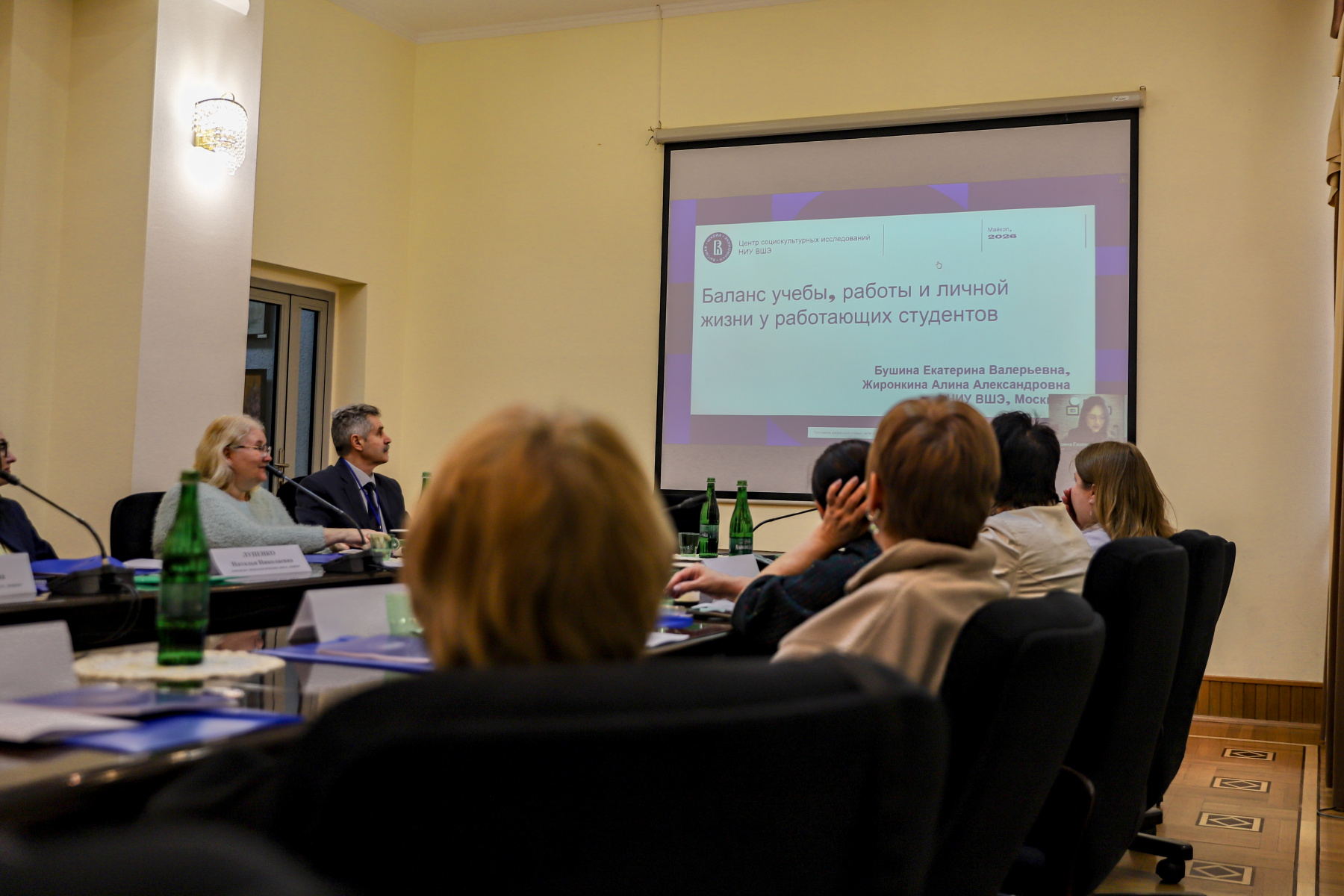
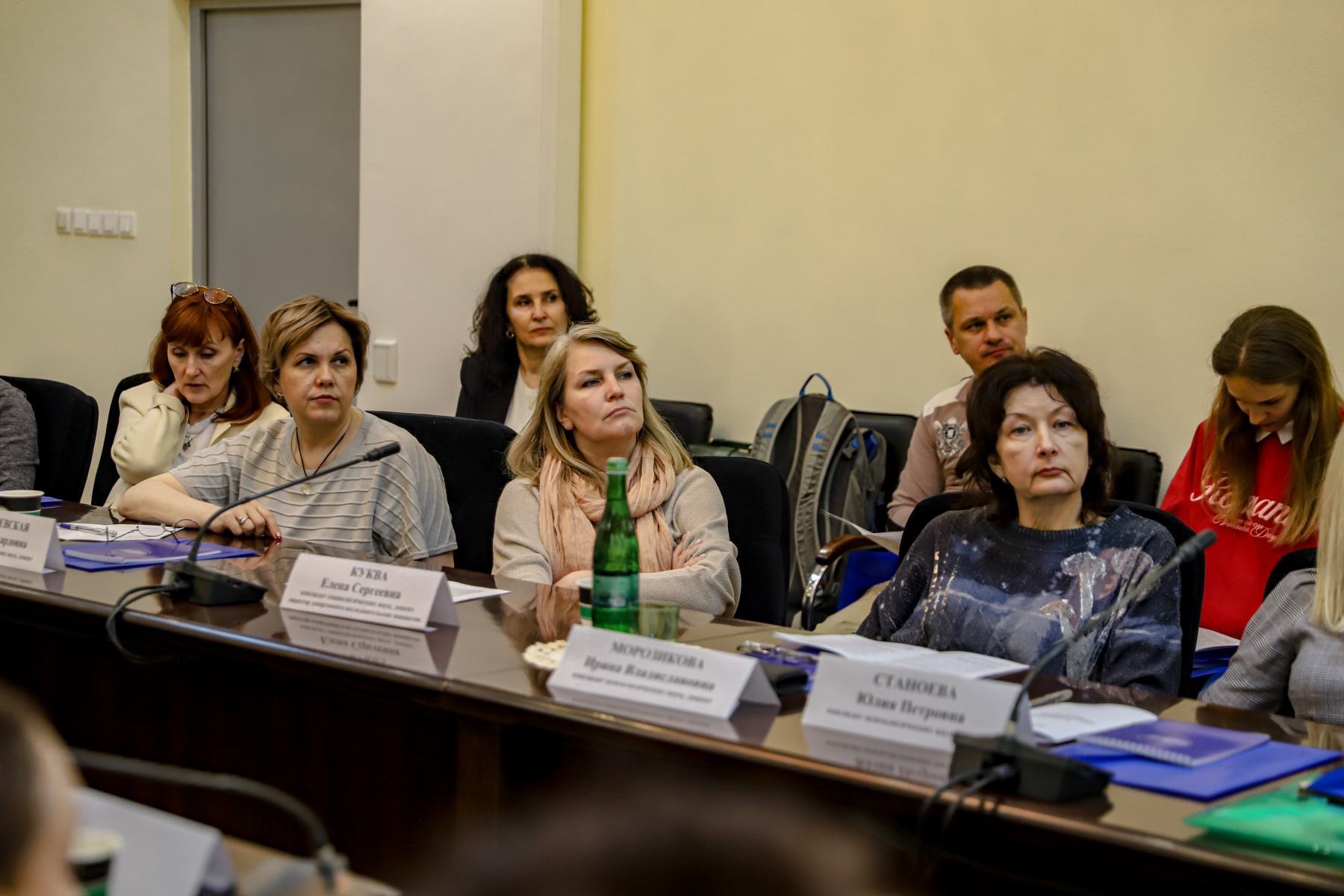
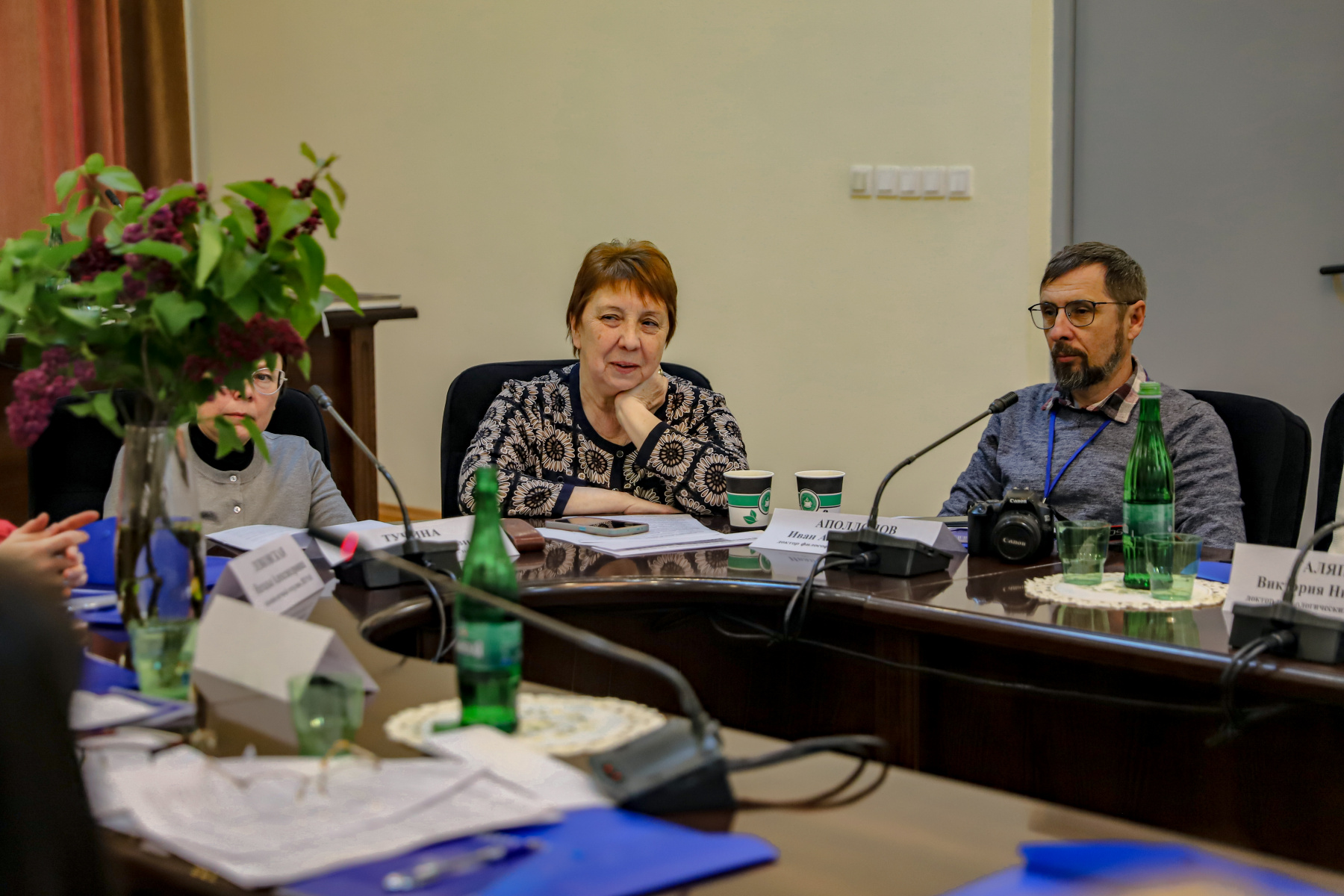
Adyghe State University hosted the symposium titled "Family- and Family Relationships in the Context of Intercultural Interaction," as part of the international scientific and practical conference "Personality in the Space of Family Relationships." The event was attended by over 20 representatives from leading academic institutions, including the Institute of Psychology of the Russian Academy of Sciences, the National Research University Higher School of Economics, and the Psychological Institute of the Russian Academy of Education in Moscow. Participants also came from Smolensk, Samara, Krasnodar (Kuban State University, KubSTU), Rostov-on-Don (Southern Federal University, Donetsk State Technical University), Sochi, and other cities.
On the first day, participants discussed various psychological, sociological, and philosophical aspects of family interaction. The audience was keenly interested in the results of psychological studies on the role of family in the creativity of older adults and the challenges of maintaining a balance between study, work, and personal life among working students, presented by colleagues N.M. Lebedeva and E.V. Bushina from the National Research University Higher School of Economics (Moscow).
The presentations titled "The Parable of the Family in the Art of Kuban Sculptors" and "The Image of the Family in Urban Sculpture," delivered by I.A. Apollonov and O.R. Tuchina from Kuban State University (Krasnodar), were both engaging and highly informative. Additionally, A.D. Yakovistenko and E.I. Bodnar from Samara introduced their innovative methodology for working with families of children, adolescents, and adults who stutter. Their approach was both compelling and practically valuable for psychological practice.
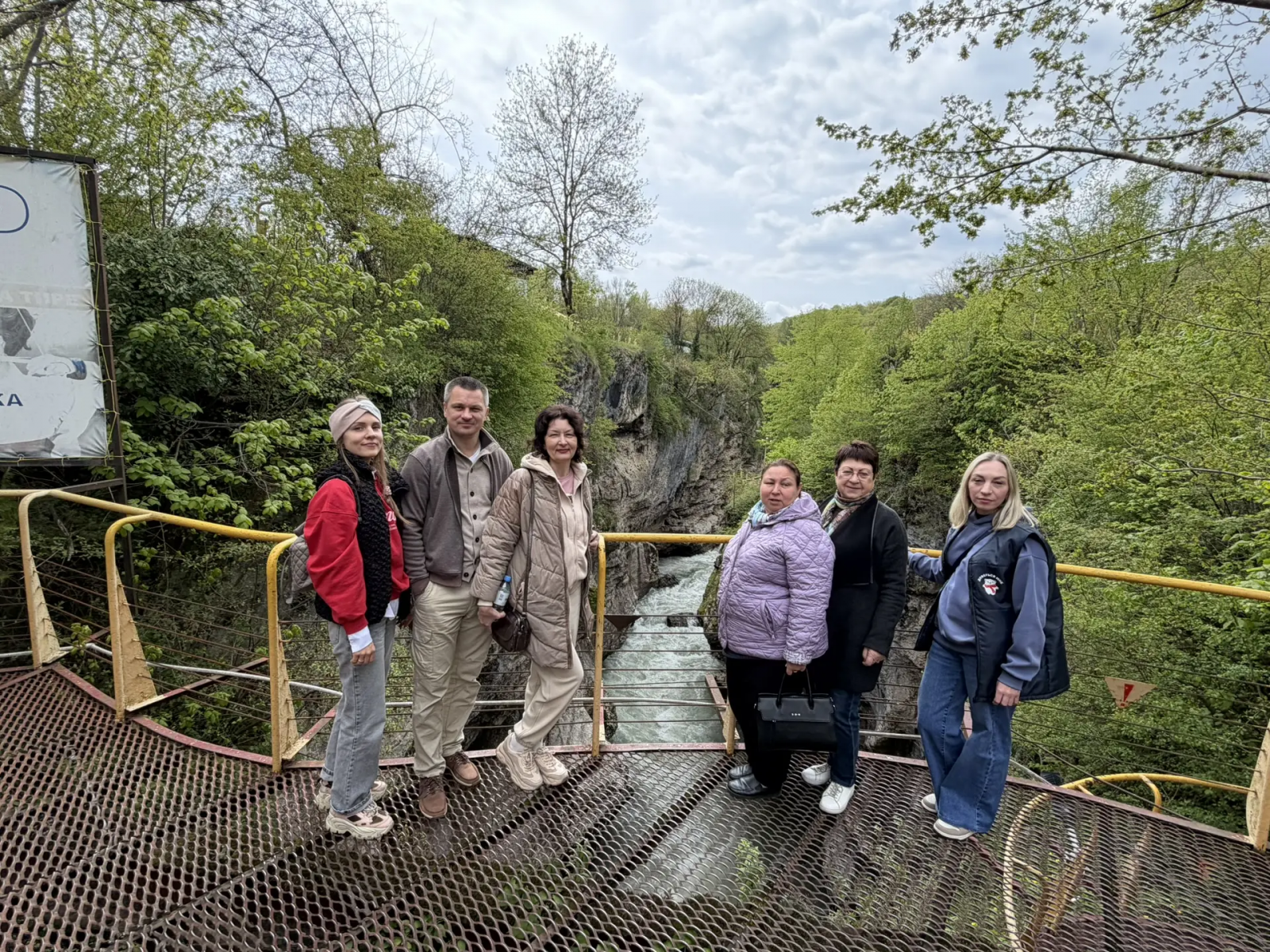
On the second day, participants engaged in an interactive workshop titled "Family Values and Regional Traditions: New Opportunities for Formation and Development." The event was held at Rufabgo Nature Park, within the "Rodovoi Les" (Family Forest) area. N.V. Kovaleva and F.R. Khatit introduced the guests to the "Lapse" ethnic project, which aims to reconstruct the history of Adyghe clans and their familial traditions. The presentation also covered the specifics of organizing a farmstead, household management, and traditional Adyghe family values.
Guests learned about the revival of ancient folk traditions across various levels in Adygea and their adaptation to modern family life, emphasizing their role in uniting and enriching the community’s developmental potential. These traditions include cherished festivals celebrating Adyghe cheese, Adyghe pears, and dzhegu.
The participants exchanged insights on how, in today’s uncertain world, family and clan identity serve as vital psychological resources that contribute to individual stability and resilience.
The guests appreciated the richness and depth of the symposium’s events, the creative atmosphere of interaction, and expressed a strong desire to actively pursue ongoing scientific collaboration.